
How to Clean Brass at Home
By Pancham Crafts · 1 October 2026 · 5 min read
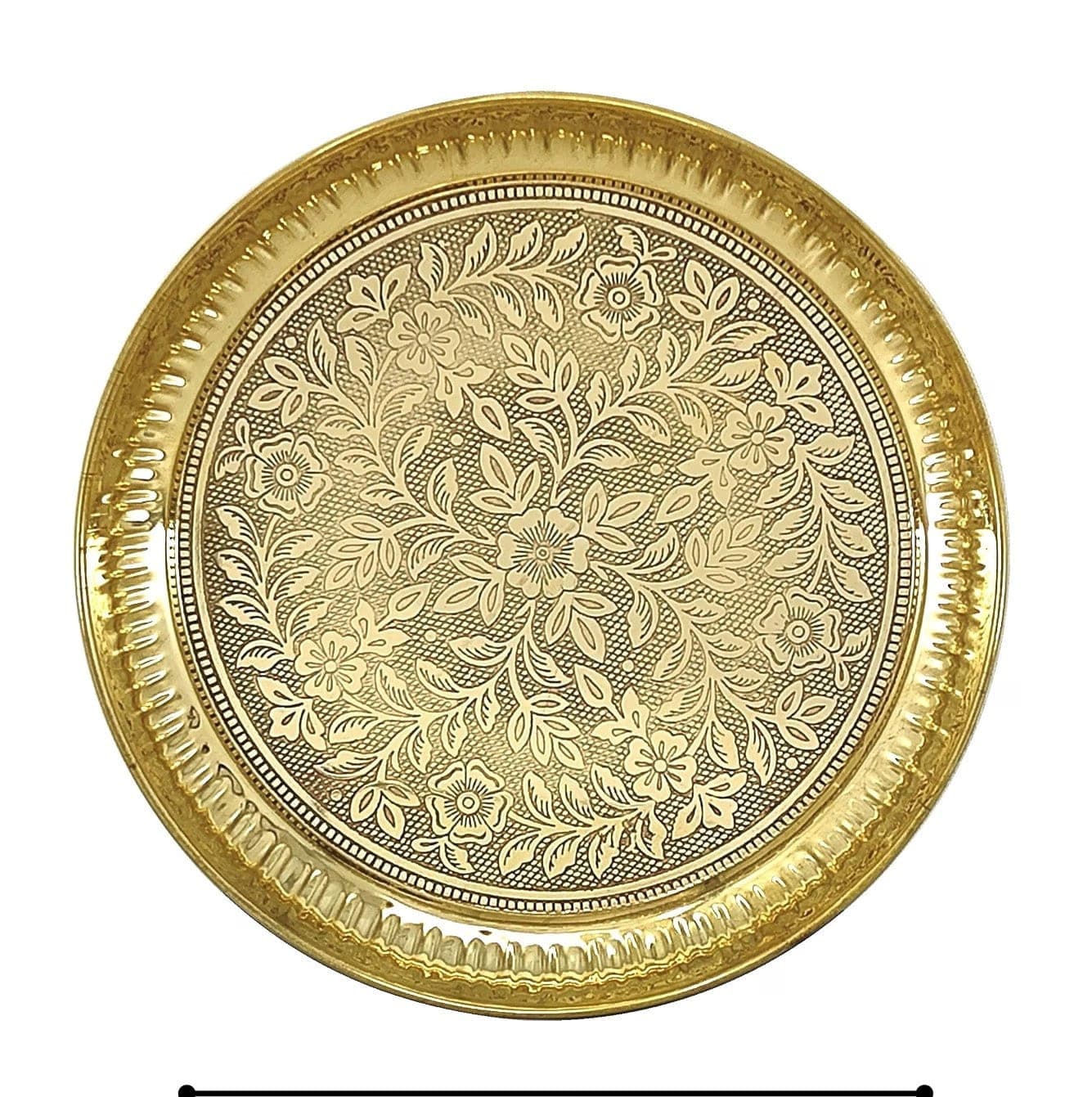
Brass darkens. It is not damage and it is not a defect — it is the metal reacting with air, and it happens to every brass object that is handled or left out. Whether you reverse it is a matter of taste. Plenty of people prefer the darker, settled look and never touch it.
If you do want the shine back, it comes back easily. Here is what works, what to avoid, and the one check to do before you start.
First: is the piece lacquered?
This is the check that saves people from ruining something.
Some brass is sold with a clear lacquer coat to stop it tarnishing. Polish on a lacquered piece does nothing useful and eventually clouds or strips the coating in patches, which looks far worse than tarnish and cannot be buffed out.
How to tell: a lacquered piece stays bright for years and does not darken evenly. If your brass has dulled or developed a warm, deeper tone with handling, it is not lacquered, and everything below applies.
The pieces we sell are supplied polished, and they do darken with time and handling — which is simply what uncoated brass does.
The three kitchen methods
All three work on the same principle: a mild acid lifts the tarnish, a mild abrasive carries it away. None of them needs anything you do not already have.
Lemon and salt
The one most people reach for, and the gentlest.
- Cut a lemon in half and dip the cut face in table salt.
- Rub over the brass, re-dipping as the salt wears off.
- Leave it thirty seconds — no longer.
- Rinse under running water and dry immediately.
Tamarind
Better on heavy, settled tarnish, and the method most Indian households already know.
- Soak a lump of tamarind in warm water until it softens.
- Work the pulp over the surface with your fingers or a soft cloth.
- Rinse thoroughly and dry.
Tamarind gets into engraving where a lemon half cannot reach, which makes it the better choice for a thali or an engraved kalash.
Vinegar, flour and salt paste
For a piece that has been neglected for years.
- Mix one part salt, one part white vinegar and enough plain flour to make a thick paste.
- Spread it over the brass and leave for ten minutes.
- Rinse off completely and dry.
The flour is doing real work — it holds the acid against the surface instead of letting it run off, so you get an even result rather than streaks.
Commercial brass cleaners
A proprietary brass polish is faster and more consistent than any of the above, and there is nothing wrong with using one. Follow the instructions on the tin, work in a ventilated spot, and keep it off anything that is not brass.
The step everyone skips
Dry it completely, straight away.
Water left sitting on freshly cleaned brass produces spots and starts the tarnish again within days — which is why a piece sometimes looks worse a week after cleaning than it did before. Dry with a soft cloth, and get into the engraving and the underside of any handle or base, where water hides.
What not to use
- Steel wool, scouring pads or kitchen scrubbers. They will take the tarnish off and leave permanent scratches in the polish underneath. The shine you are trying to restore is a surface finish; abrasives remove it.
- Bleach and strong household cleaners. They pit brass.
- The dishwasher. Heat and detergent together will dull the surface, and on a piece with a wooden handle the handle will not survive it.
- Hard scrubbing on engraving. Pressure flattens the detail you paid for. Let the acid do the work instead.
How often is sensible
For a decorative piece, twice a year is plenty. For something handled regularly — a bell, a diya in weekly use — clean it when it bothers you and not before. Each clean takes a little of the surface with it, so more often is not better.
If you want to slow the tarnishing down, keep pieces out of damp air and handle them less. Fingerprints are mildly acidic and are usually why a piece darkens in patches rather than evenly.
Quick answers
Will cleaning damage the engraving? Not if you let the acid work and avoid pressure. Scrubbing hard is what flattens detail.
My diya has oil residue baked onto it. What now? Soak it in hot water with a little dish soap first and lift the soft residue off, then clean normally. Trying to polish through burnt oil just grinds it in.
It went dark again within weeks. Why? Almost always moisture — either it was not dried fully, or it lives somewhere damp. Dry thoroughly and move it away from a window or a kitchen hob.
Can I clean a piece with a wooden handle the same way? Clean the brass and keep the wood dry. Do not soak it, and dry the join properly — that is where water sits.
Everything we sell is listed with its real material, dimensions and, where we know it, weight. Browse Diyas, Puja Items, Serveware or the full range. Choosing a diya for the festival is covered separately in how to choose a brass diya for Diwali.